Trip date – Late November 2023
After spending an excellent couple of weeks in Kruger National Park, leaving it was not very easy for us. It was almost breaking our hearts. We crawled out of the park in our car. We stopped at every antelope and bird, even the common ones. We just did not want our time at the park to end. We wanted to absorb every last moment of it. Yet, the long stretch of road between Punda Maria rest camp and Punda Maria park gate came to an end. It concluded at the gate barricade. With a heavy heart, we made our exit, after showing our entry permit.
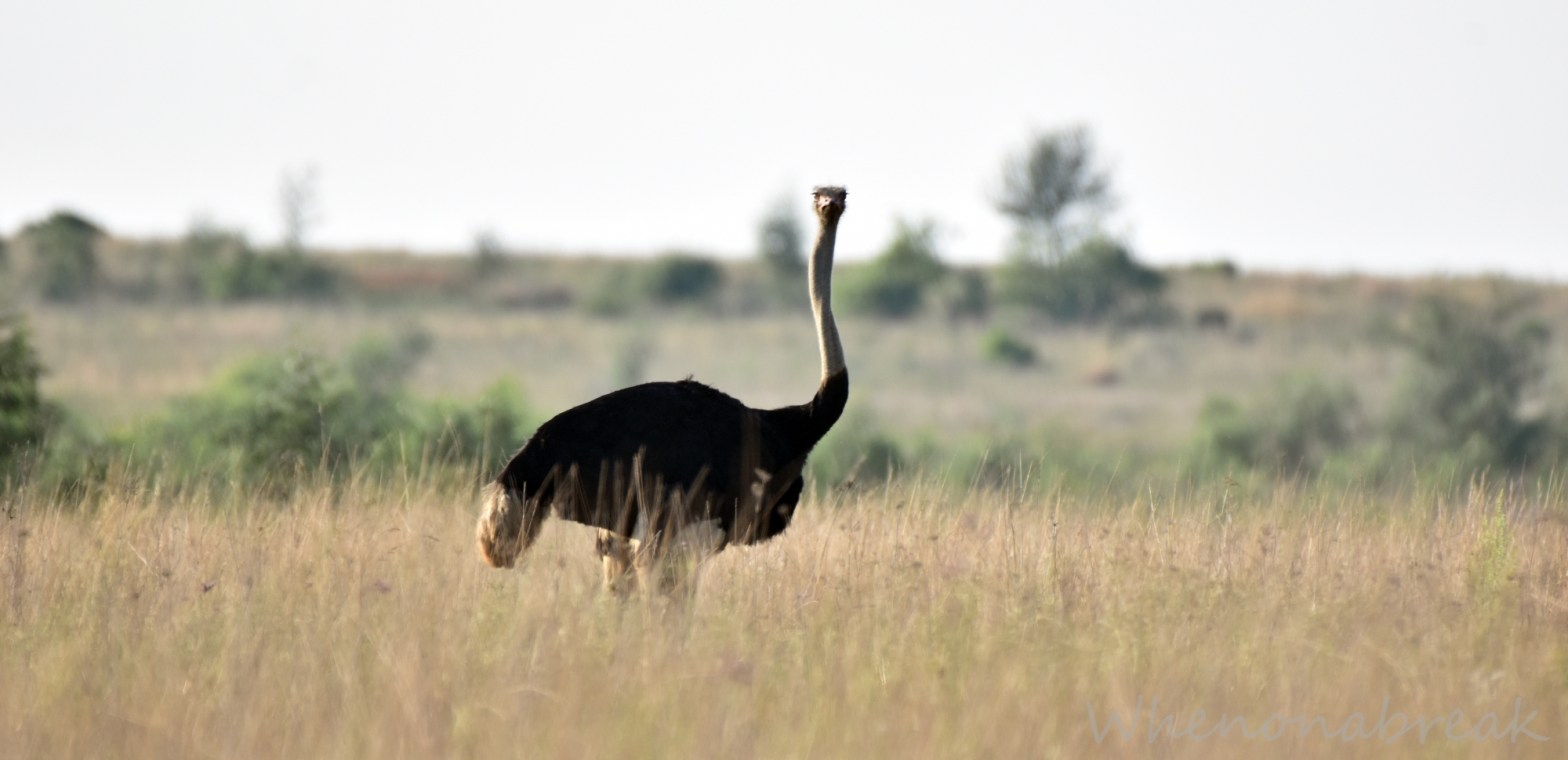
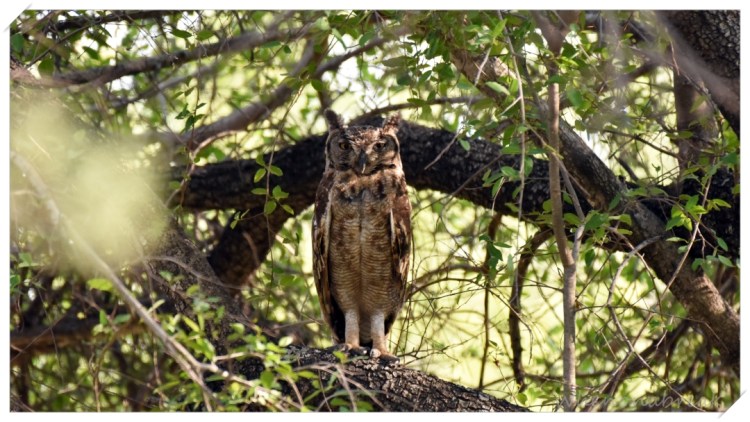
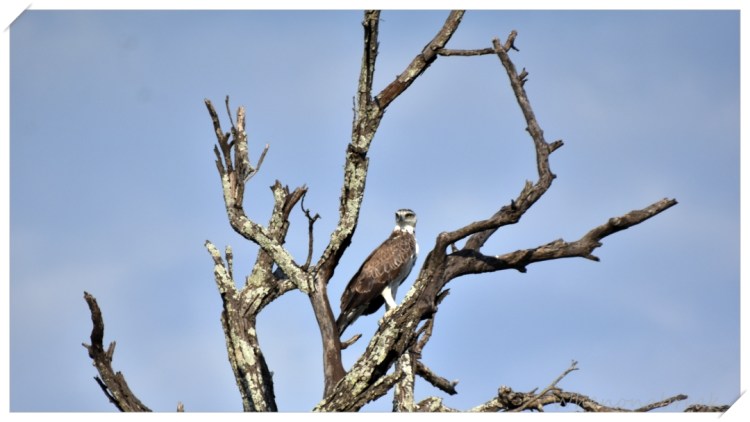
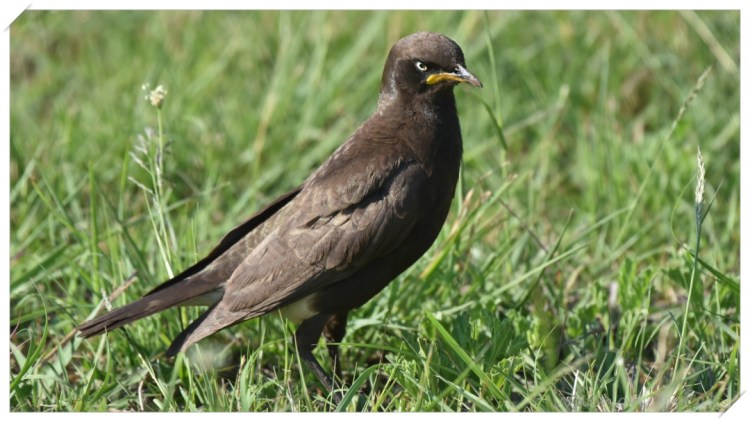
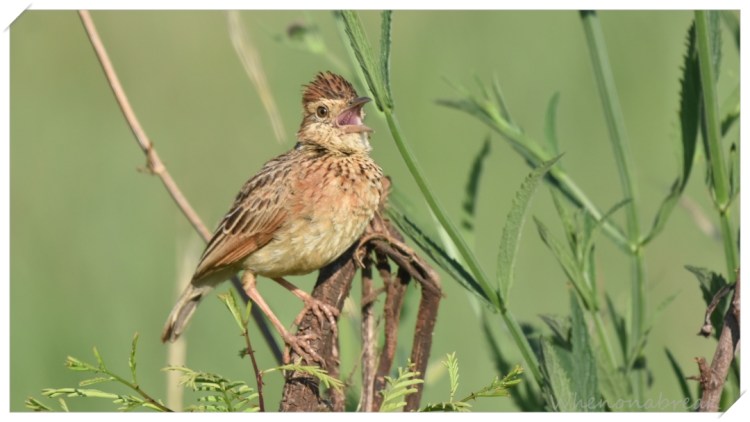
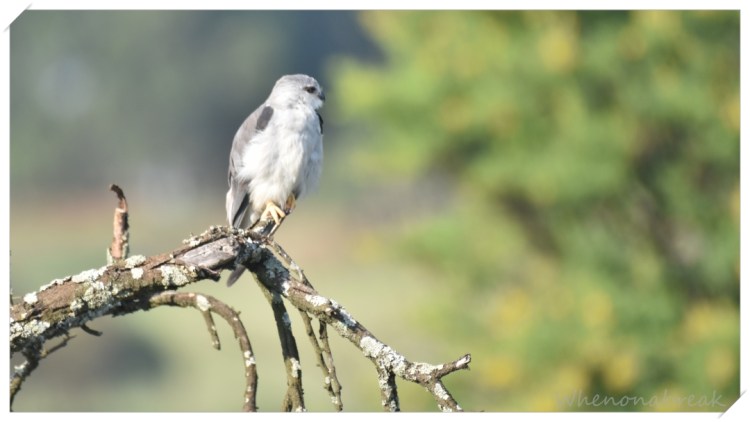
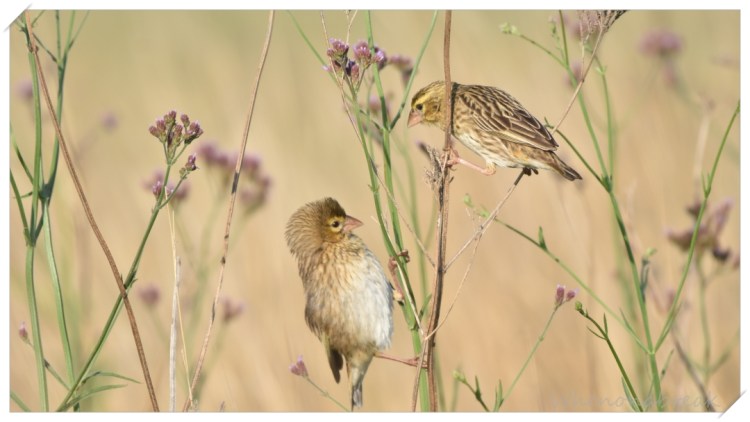
Slide the photos to see what we captured just in the last couple of hours before leaving the Kruger National Park. Its a glimpse of the treasures we unfolded while we were there, and the reason why we didn’t want to leave…
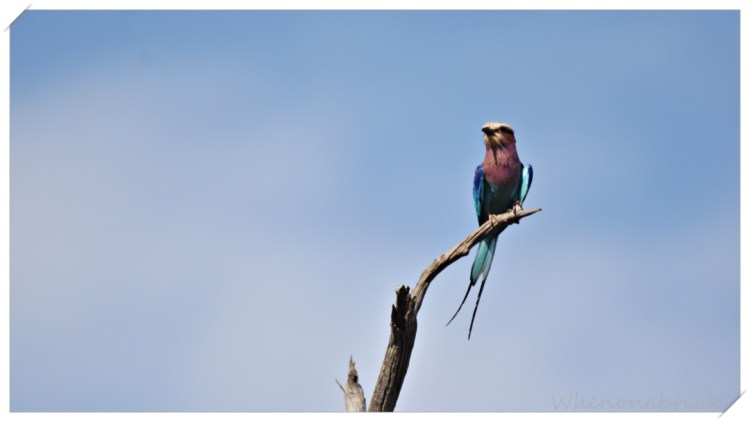
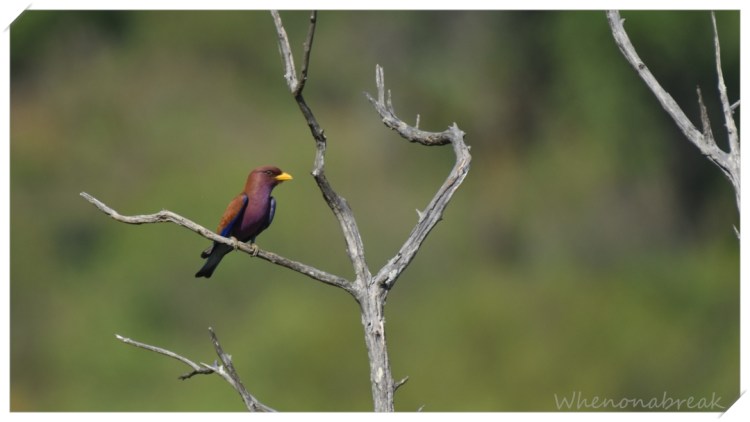
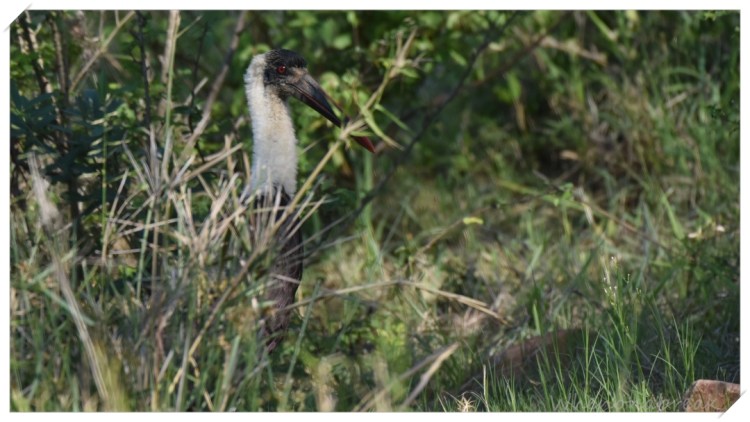
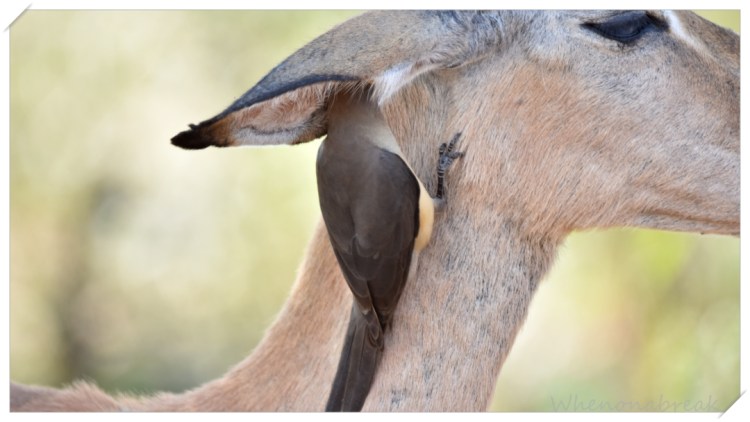
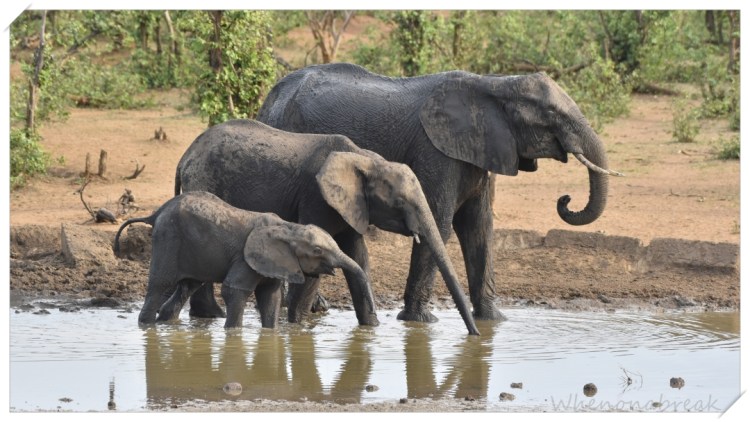
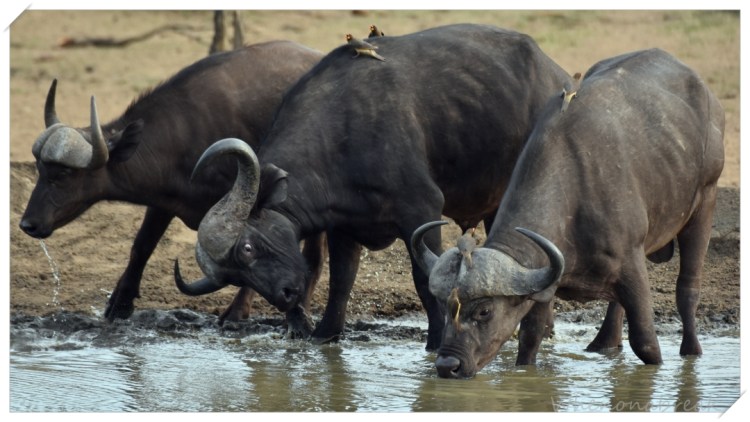
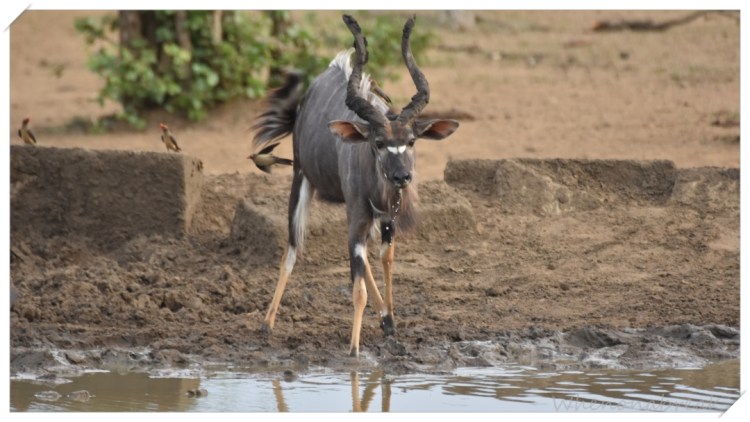
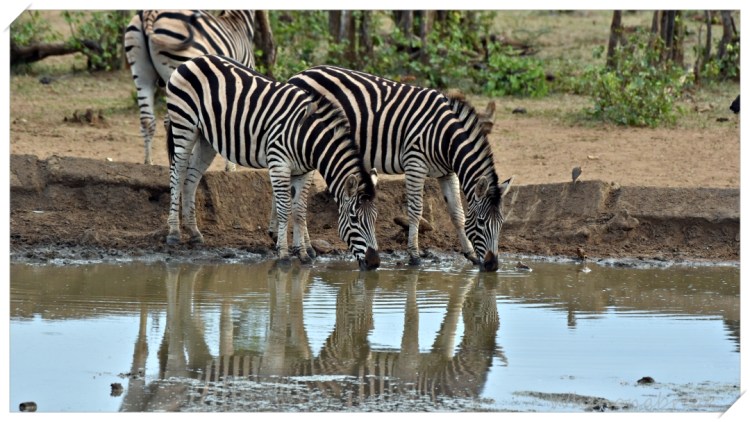
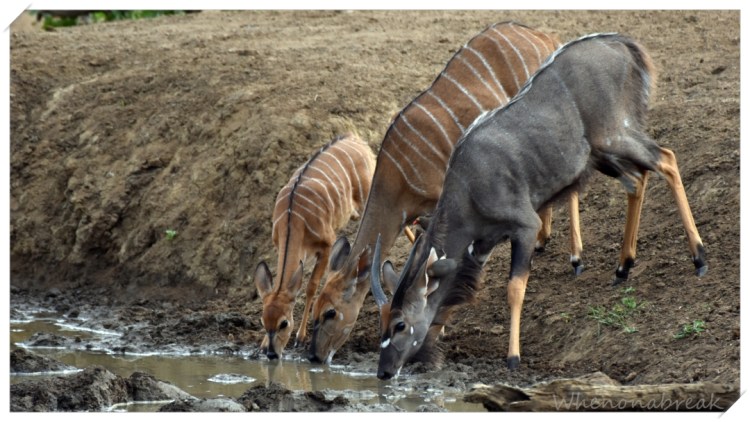
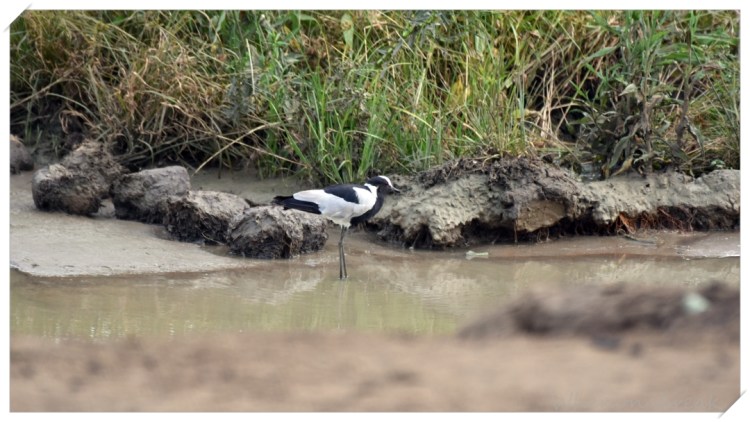
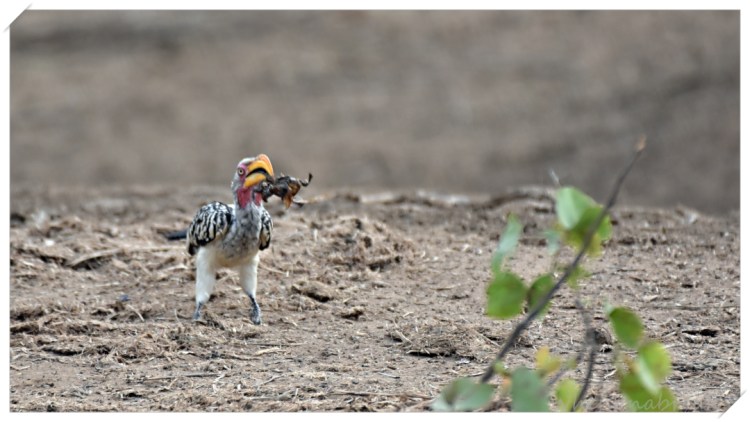
We had a long way to return to Johannesburg. We were going to fly back home from there in a couple of days. It is not very difficult to do this trip in one day. Still, it was our first time. We were unsure about the quality and safety of the route. So, we decided to break our journey at Polokwane for a day. Also, we didn’t want to leave the KNP too early in the morning, so taking a break made full sense.
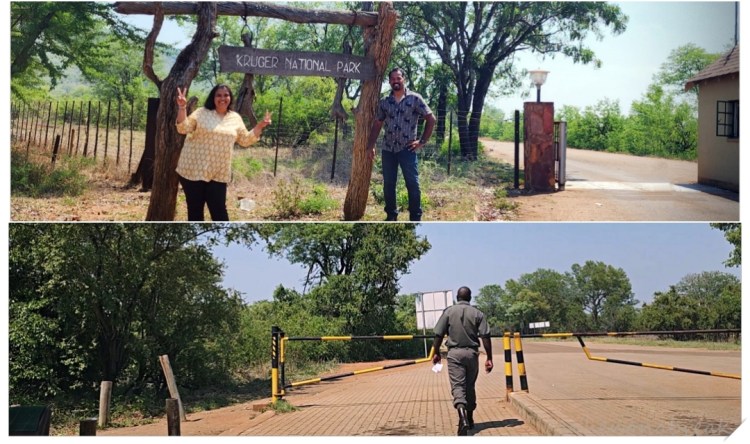
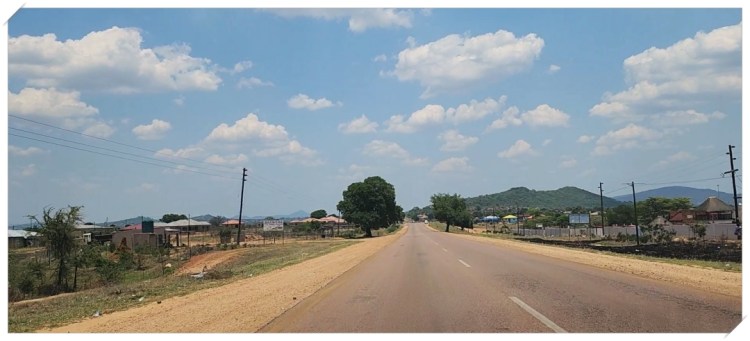
After exiting the Punda Maria Kruger National Park Gate, we took the R81 through the town of Giyani. We traveled over the Letaba river and continued all the way to Polokwane. This road runs parallel to the western boundary of Kruger National Park, and we were heading south on it. The road condition was okay, and it went through a lot of small villages and towns. It was good to see the rural parts of the country. They did not look much different from our own Indian rural villages. Big fields, schools, small shops, people chilling and chit-chatting under the trees. Pretty as it was, we would not recommend driving through after sunset. We were here around 11am and still found the route to be quite isolated. The low economy of the Limpopo region is obvious while driving through. Another choice for this route is to drive to Louis Trichardt from the gate. Then get onto the N1. This goes straight to Polokwane and then to Johannesburg. If we were to go directly to Johannesburg, we would have chosen to take this option. That is a safer choice. Though, it was nice to see a glimpse of life behind the curtains.
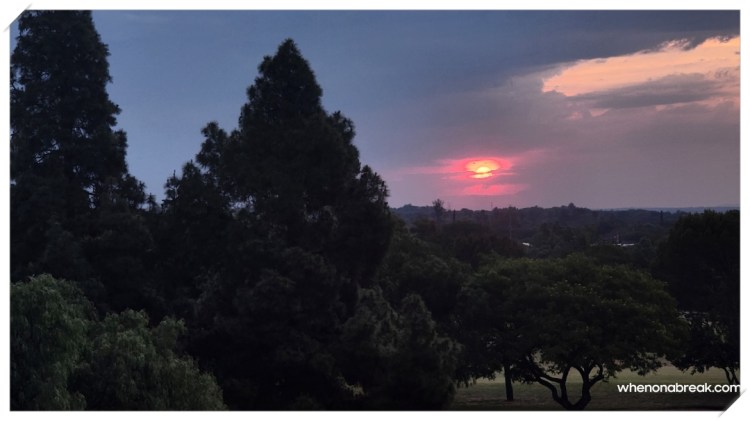
We drove to Polokwane in just over 3 hours. By lunchtime, we were checking into the Park Inn by Radisson. It’s a basic business hotel and has all the facilities any similar hotel would have. Our room was spacious and extremely comfortable. It overlooked a very well-kept golf course. After sleeping in rest camps for 2 weeks (nothing to complain about!) It was nice to splurge a little and enjoy some urban comforts. Polokwane is a giant industrial town but is also famous for its football stadium, built during the FIFA 2010. This hotel is located opposite the stadium and has wide open spaces on all sides.
Wildlife watching in Polokwane
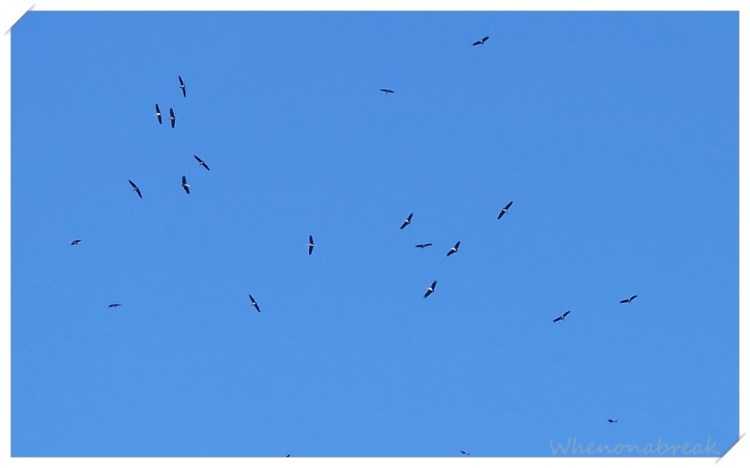
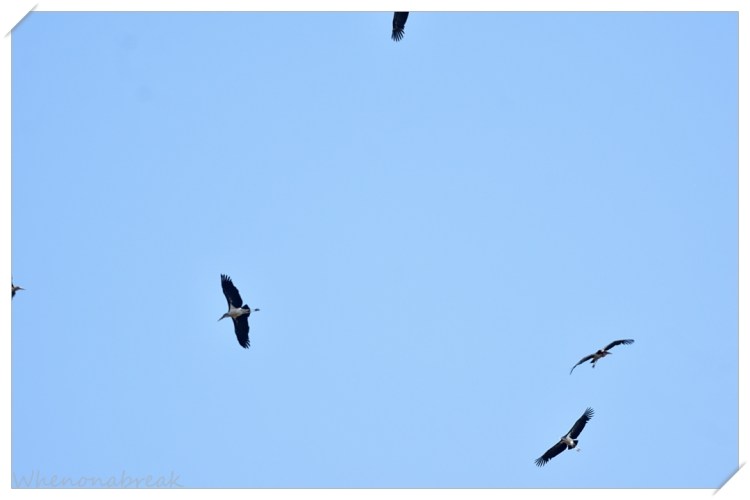
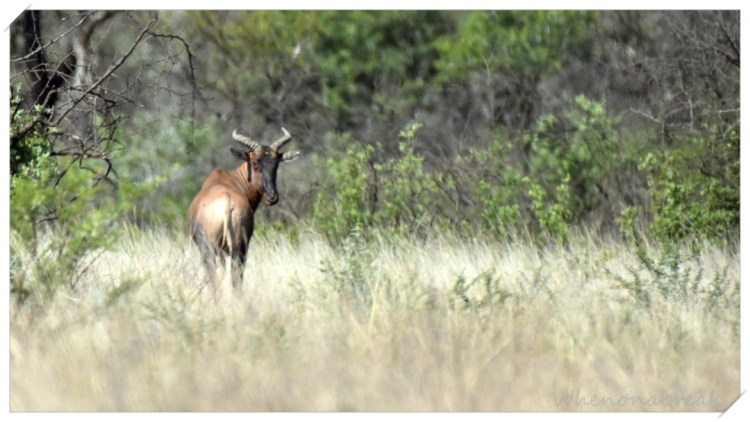
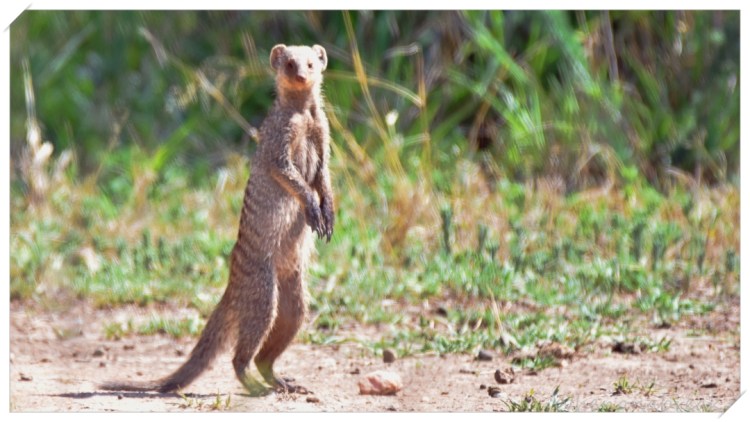
If you, like us, have enjoyed Kruger National Park, Polokwane Game Reserve is a great choice to explore. Especially if you have a free morning in town, which we had before we headed south towards Johannesburg. It was just a 5-minute drive from our hotel. Google Maps often misleads. The correct entrance is opposite the civil airport on Silicon Street. This is one of the largest game reserves in the country. It has lots of tracks and trails inside to choose from. We explored these in our car using the paper map. But, beware, some trails are borderline off-roading. We stuck to the trails with proper roads and managed to see a good list of mammals and birds, including banded mongoose (which behave like Meerkats, maybe the same family?) and Red Hartebeest, which we had not seen before. One of the most memorable moments was spotting thousands (not exaggerating!) of Marabou storks flying in circles overhead. Scary and amusing at the same time!
Slide left to see the photos below –
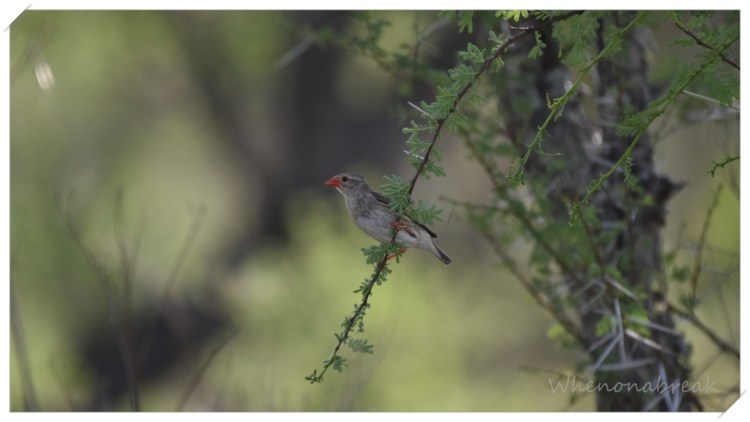
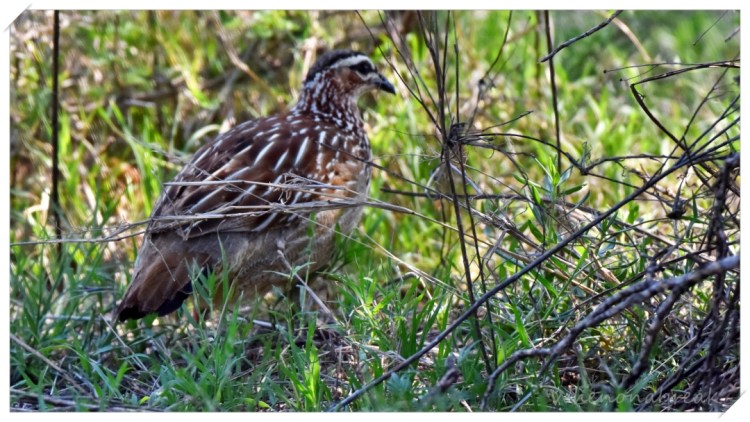
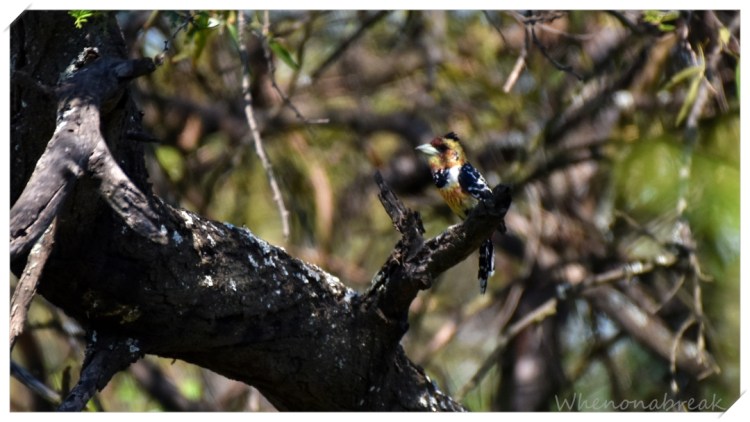
We would recommend visiting this reserve on the way to Johannesburg. It’s not a very popular spot. You may often have the park completely to yourself. The habitat is extremely rich. With little patience and time, we were able to enjoy some extraordinary sightings – birds as well as animals. Due to less crowd, it’s easy to watch animals in their candid behavior, which is very rare. Two hours is the minimum to explore most tracks. This includes time for photo ops and other activities. It is completely worth the entry ticket cost.
Slide left to see the photos below –
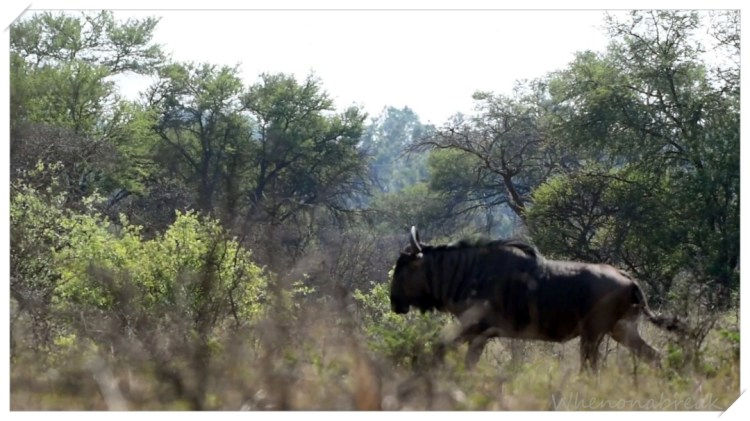
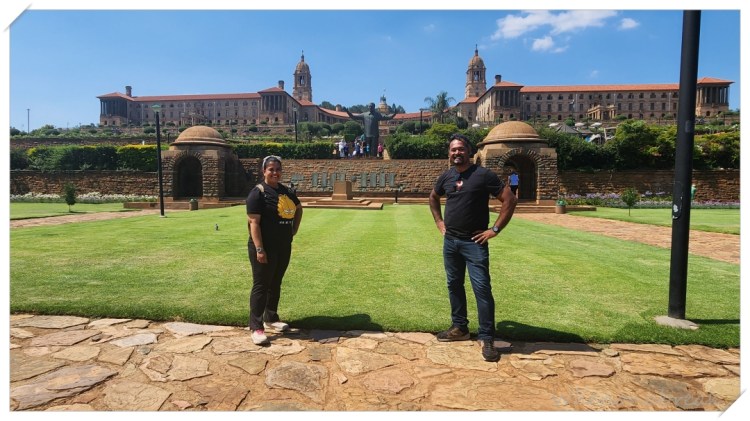
We got on N1 from Polokwane to Pretoria. Pretoria is one of the three capital cities of South Africa. There, we detoured towards the Union buildings. An iconic set of government buildings with lovely gardens and a gigantic statue of Nelson Mandela as a centerpiece. We just walked around the garden, clicked some pictures and left. The heat was unbearable, and we wanted to avoid the traffic on the way to Johannesburg. The most photographed Jacaranda-lined roads of Pretoria are straight out of Instagram. Pretty as ever!
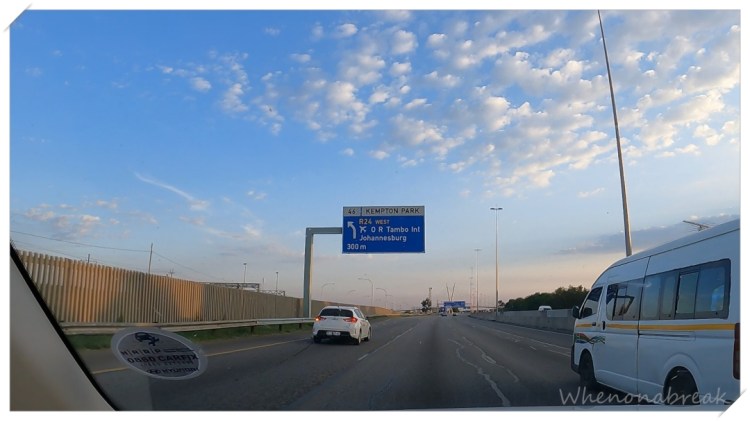
In Johannesburg, we decided to stay on the outskirts. We wanted to be as close as possible to the airport. We also wished to stay away from the city craziness. Holiday Inn was our usual go-to choice. Same as other Holiday Inn’s around the world, it was predictably comfortable and convenient.
Wildlife watching in Johannesburg
Rietvlei National Park is located on the borders of Pretoria and Johannesburg. We decided to just pop in for a bit before surrendering our car back to the AVIS office at the airport. Honestly, we had not expected much out of this urban national park, but oh boy, we were proven wrong!
Slide left to see the photos below –

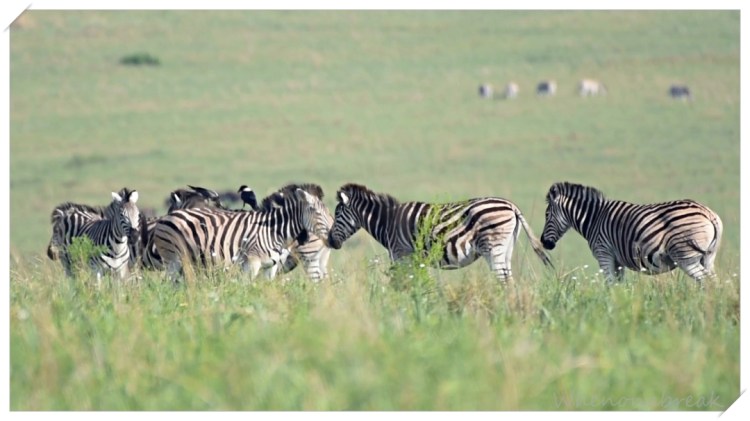
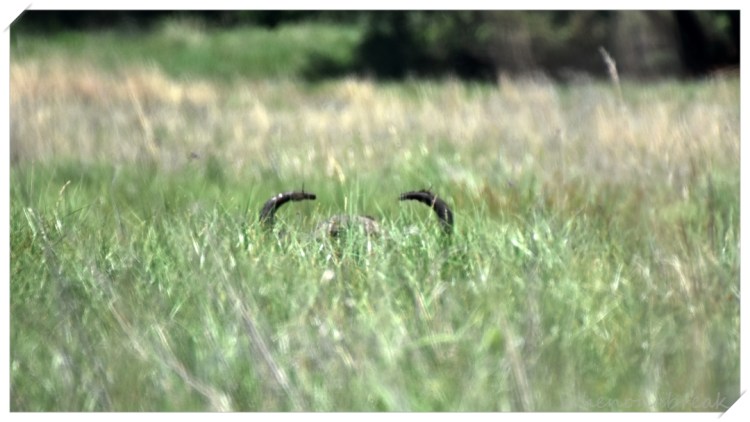
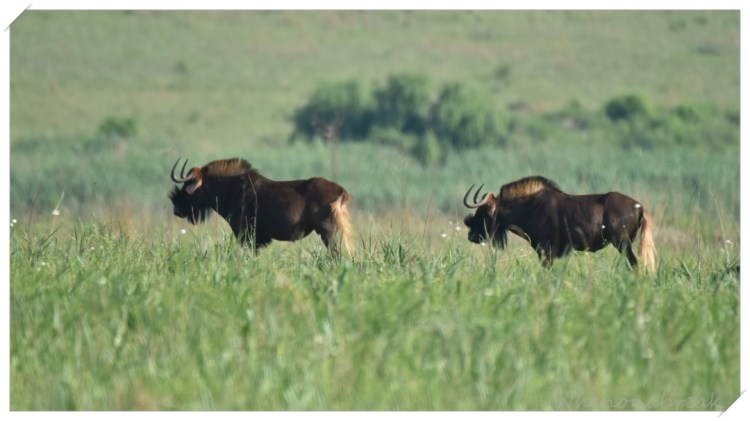
Rietvlei National Park is a massive open grassland around a dam/reservoir of the same name. The cityscape in the far landscape and rare wildlife calmly walking around in the foreground make for a very unique photography opportunity. Along with various types of herbivores/antelopes, Jackals, Meerkats, Cheetahs are popularly known to reside here, but we didn’t see them. Due to a tragic poaching incident a couple of years ago, no lions are kept here now. It is extremely fun to drive around various trails, trying to spot interesting birds and animals. In the end, we regretted not visiting this park on multiple days. Surely, half a day is not enough!
Slide left to see the photos below –
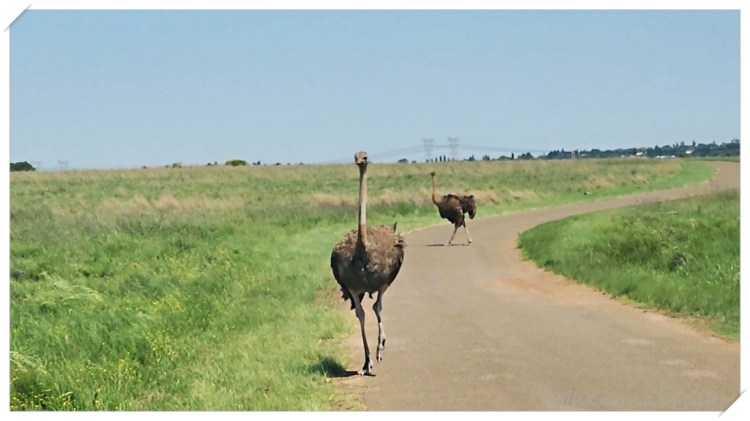
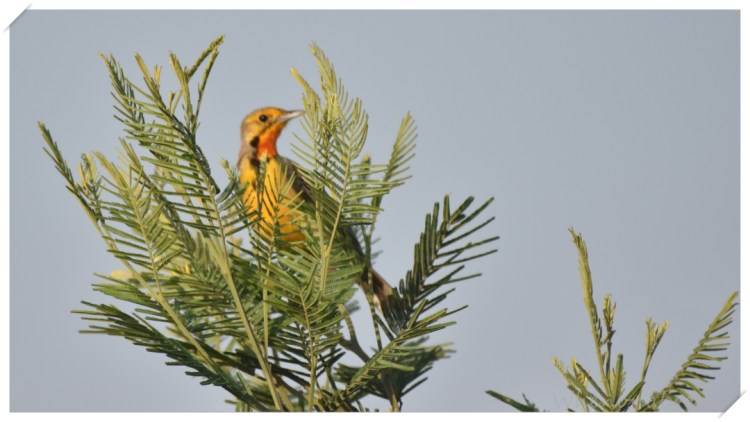
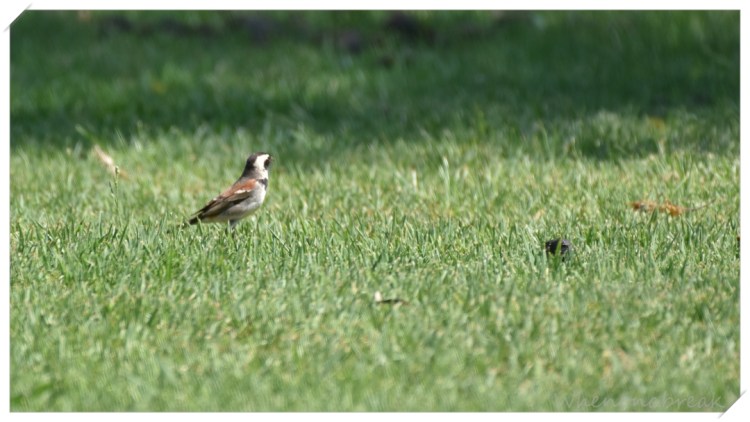
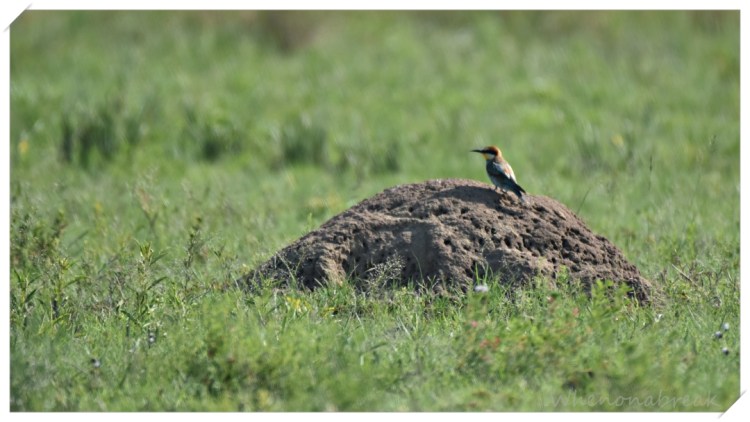
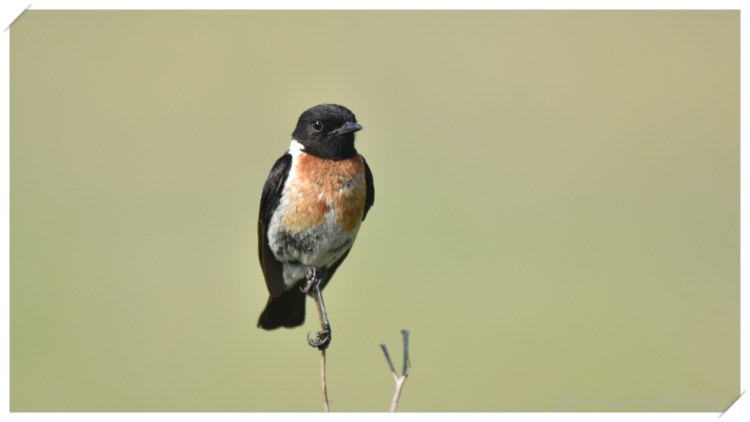
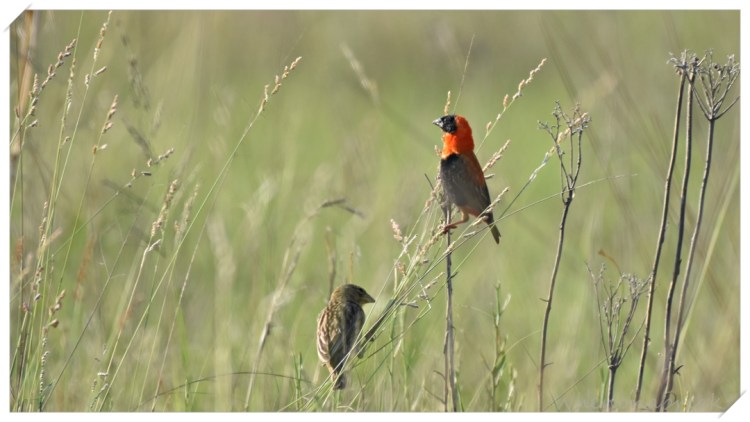
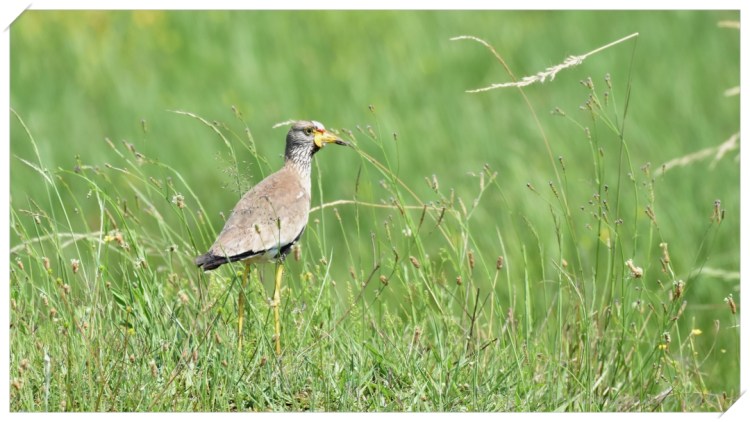
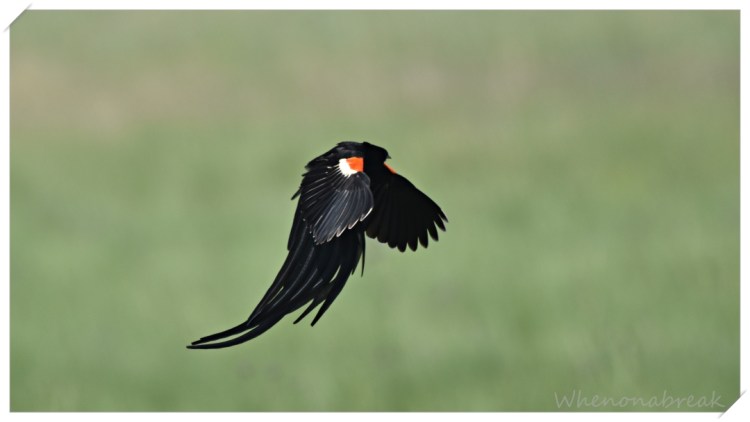
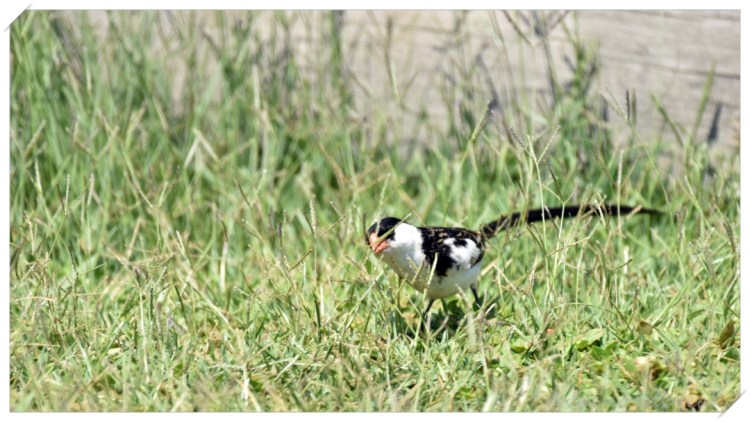
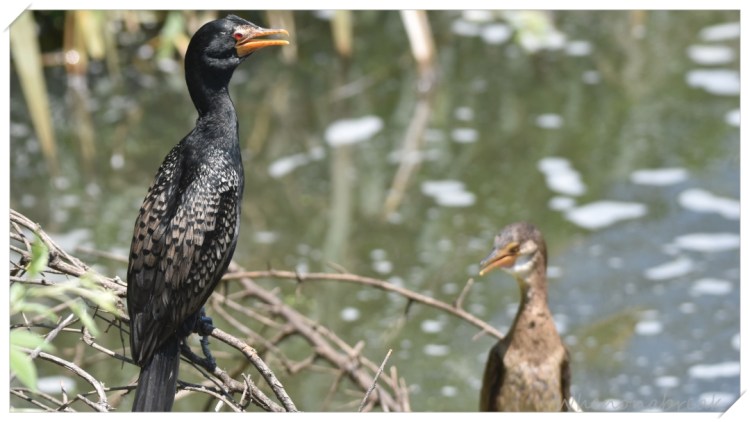
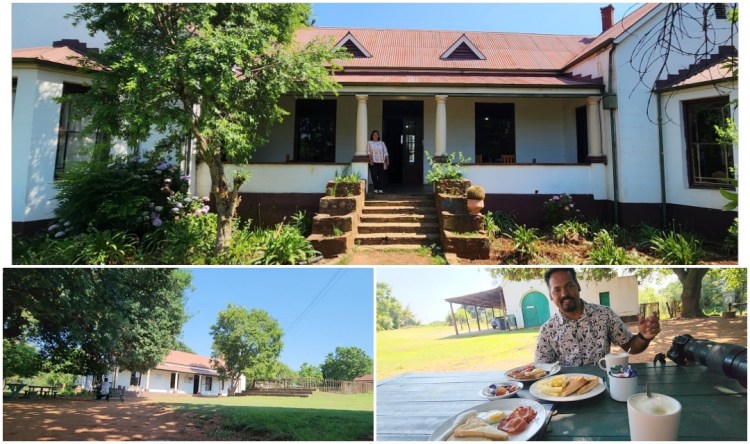
For us, it was the highlight of our Johannesburg stint. The ticket cost is reasonable, and visitors can drive in their own vehicles. There is an old, extremely peaceful mansion (now a museum) in one corner of the park. It has an outdoor café. It’s perfect for a quick meal with the best views.
We are very much aware of the atrocities of the colonial past. We understand and appreciate the hard work the government, society, and communities are putting together to recover from it. We had not planned to enter the main city of Johannesburg. We also did not intend to see the usual tourist sites. However, we did not want to miss seeing the well-made Apartheid museum. We had already surrendered our car by then, so a simple UBER booking got us there.
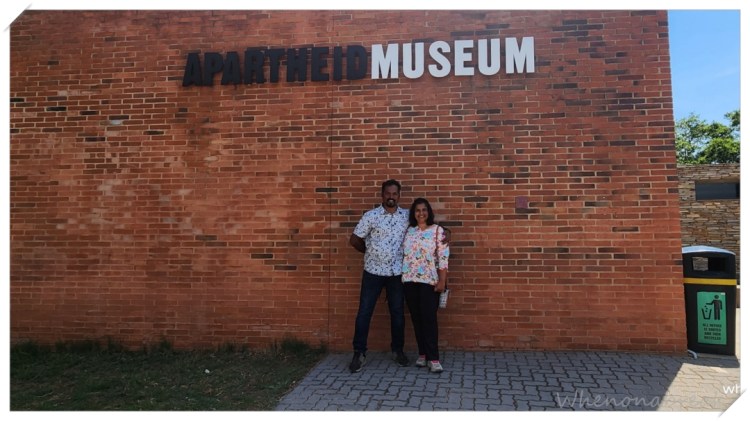
The Apartheid museum forced us to reflect on our observations of the past month in the country. Yes, from afar, discrimination is not visible, but unfortunately, we are pretty sure it’s very much ingrained in the culture. We were here as tourists, so most of our interaction was with businesses related to tourism. So our observations are based on that ONLY. We observed that almost all businesses were owned by Afrikaans people. These are the white Dutch settlers of South Africa. Others were owned by foreigners, mostly Europeans/British. Most native Africans (Koi, San, etc – the native tribes) were mainly handling the customer-facing posts like receptionists/taxi drivers/guides/waiters.. etc. or smallish roles/jobs. Poverty among them is still extremely prevalent, especially in certain localities. Due to some bad apples, the distrust and fear of the natives is strong. This fear is unforgivable. We had to keep reminding ourselves of it. We belong to a country with a horrid colonial past. Embarrassingly, we struggle with casteism today too. But discrimination based on skin colour is a different level of disgraceful human behavior. Agreed, things are getting better. The newer generation of ‘whites’ are trying to uplift their ‘black’ peers. They are disregarding their skin colour and supporting them. Still, it will take a long time. Many generations will pass before natives gain financial equality with European settlers (of whichever era).
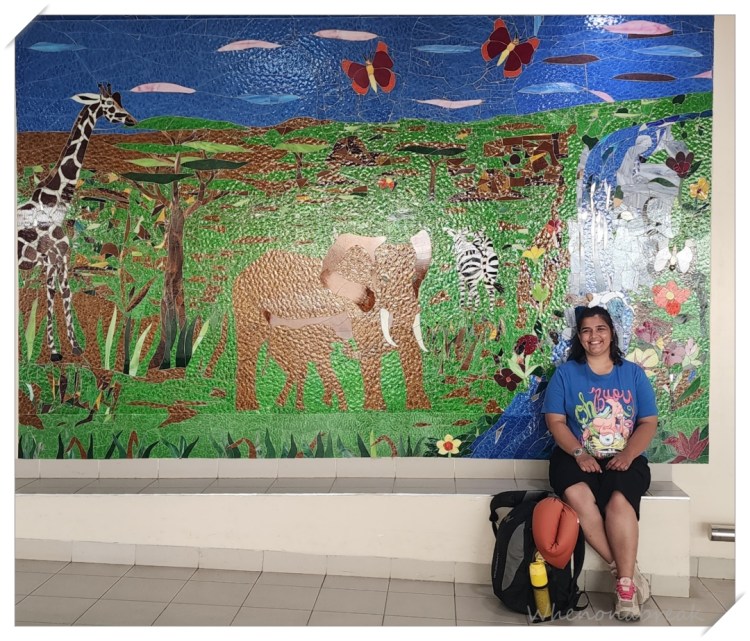
This blog marks the end of our long stay in South Africa. This country has intrigued us to the core. We are not very people’s people and always prefer to be in places away from crowds. Nature and its true essence are always more attractive. Therefore, we felt more drawn to this country. Here, marine life, wildlife, birdlife, and other living beings, including plants, have their own place in society. Proper systems are working for them and their conversation. Maintaining a defined structure and balancing the ever-so-delicate balance of human vs wild interaction. The inclusivity amazed us, and there is definitely something to learn for other countries, including our own. This one month was like a whirlwind romance. We already miss it. This is not the last South Africa has seen of us. We are coming back and for surely many, many times more.
Hope this blog has inspired you to plan your trip to South Africa when (you are) on a break!.
Subscribe to our Youtube Channel to see the video of our trip with lot more information, photos and clips!
Subscribe to get regular updates on this blog. Also, check out our Instagram page for more of our photos during the trip.
~fin.
 When on a Break!